Reading Across Borders
What happens when two organizations, separated by more than 2,000 kilometers but united by the same conviction that every child deserves the chance to read well, decide to learn from each other?
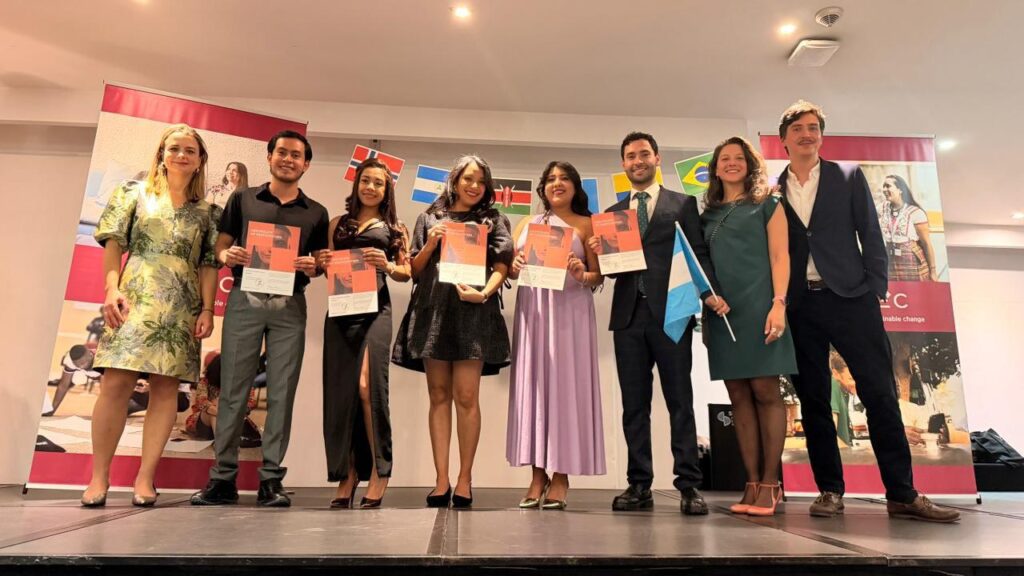
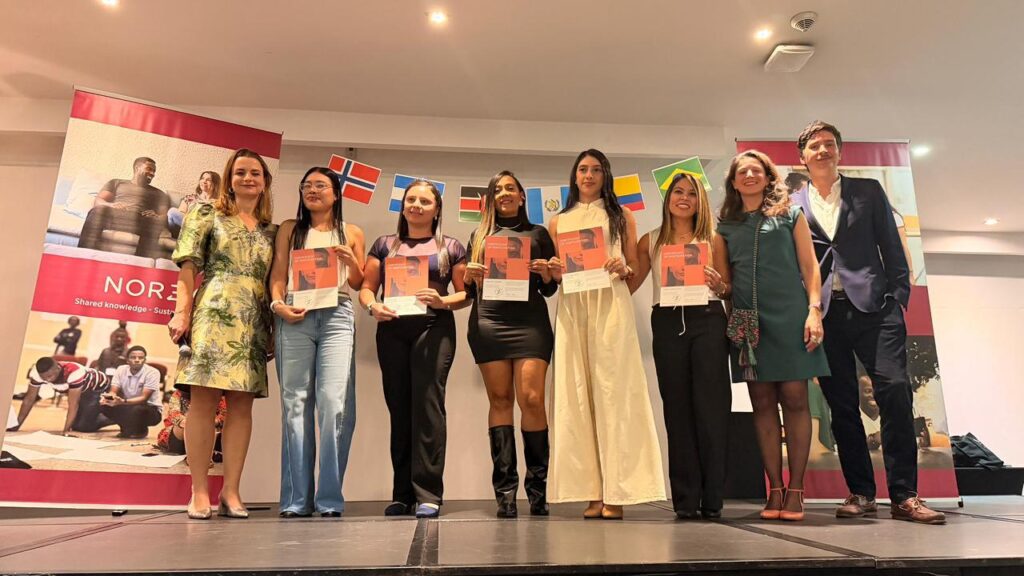
That’s the question at the heart of our READ project. READ stands for Rural Education Alliances for Development, a project we designed together with Fundación Luker in Colombia, made possible through Norec, the Norwegian Agency for Exchange Cooperation. And this month, we’re celebrating the completion of our second round of exchanges, a milestone worth pausing to reflect on.
What is READ?
READ facilitates a staff exchange between our teams in Guatemala and Luker’s teams in Colombia, built around a simple but powerful idea: rural education challenges rarely have a single answer, but they often have shared solutions.
Through this exchange, professionals travel between the two countries to transfer knowledge in two key areas:
- Adapting a literacy program for rural contexts, building on approaches like Luker’s Aprendamos Todos a Leer methodology, so that children in remote communities receive the same quality of reading instruction as those in urban centers.
- Strengthening sustainability, monitoring, and evaluation strategies, so that the impact of these programs can be measured, sustained, and scaled over time.
Two Rounds, Real Results
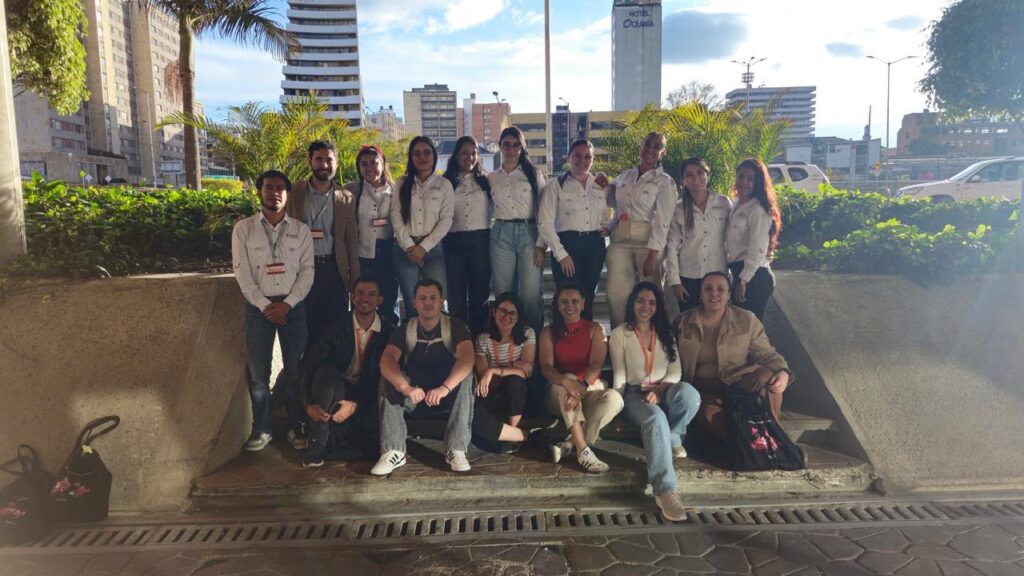
We’ve now completed our second round of exchanges, bringing together professionals from education, monitoring and evaluation, and international cooperation. Each person carried not just technical expertise, but a genuine curiosity about how a sister organization, working in a different country with different rural realities, approaches the same mission.
Regarding the educational focus, for 14 consecutive weeks, specialized care was provided to 507 children who presented greater difficulties. This individualized care levels their abilities, cultivates success from the roots in the rest of their school career, and encourages continuity and permanence. Students who received personalized tutoring improved on average +24 words read per minute over their initial assessment. With this strategy, not only are reading skills transformed, but the foundations are cultivated for each child to flourish academically.
For this change to be sustainable in the long term, a network is needed to support the strategy. In addition to providing personalized support to children, the READ team also provided training on innovative educational methodologies to more than 100 teachers in the Esquipulas region, thereby exceeding the original goal.
More Than a Professional Exchange
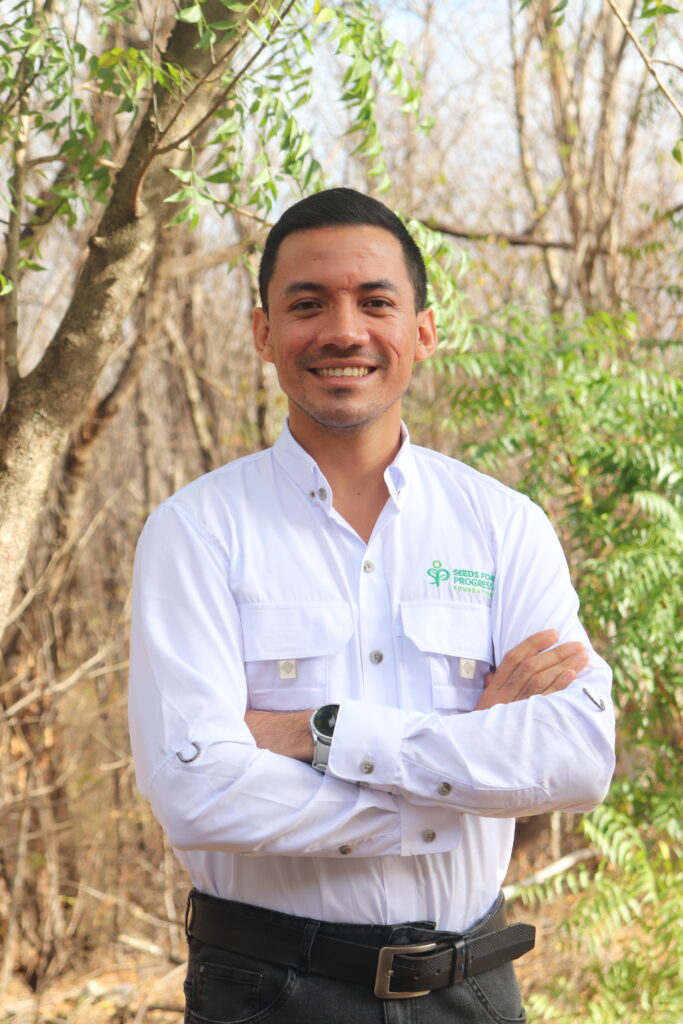
“The opportunity to participate in this exchange was a highly enriching experience, both personally and professionally. This process allowed me to gain new insights, especially regarding the educational methodology that the Luker Foundation implements in schools in Manizales—a methodology that emphasizes a holistic, innovative education with a strong community impact—and, at the same time, I was able to contribute my own knowledge based on my experience.
Beyond the educational sphere, the exchange in Colombia significantly broadened my horizons by introducing me to its culture, cuisine, and social dynamics. These types of experiences, promoted by Norec, demonstrate the value of collaborative learning and intercultural exchange, strengthening not only technical skills but also a broader, more empathetic perspective committed to social and human development.” Edwin Asencio, Guatemala.
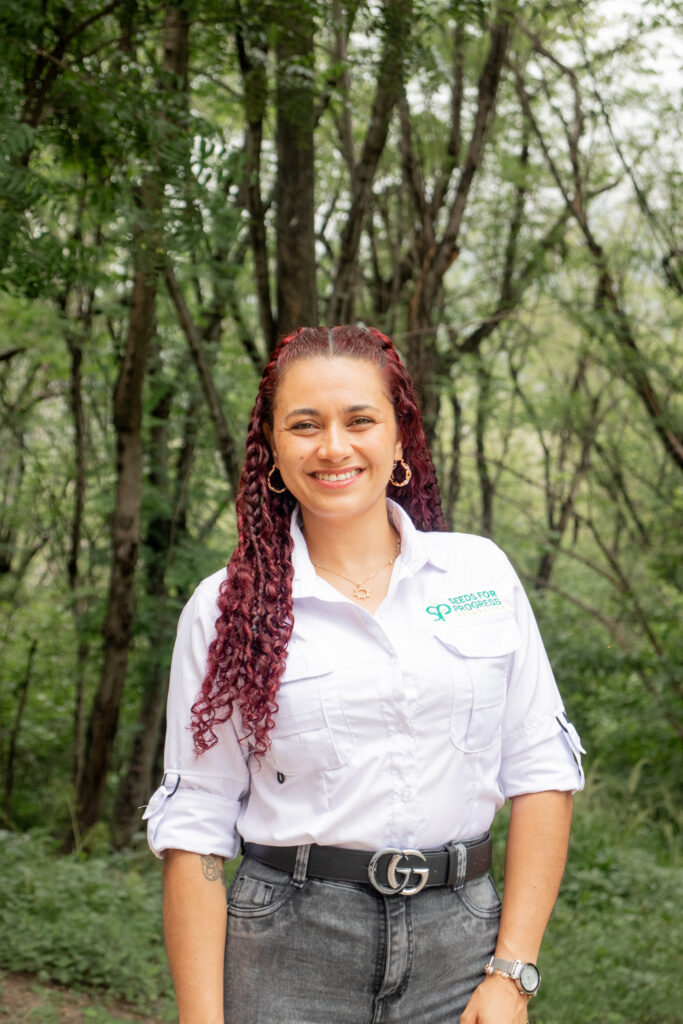
“I had the valuable opportunity to participate in a work exchange in Guatemala.
This experience was a truly wonderful journey for me. One of the aspects I value most was the opportunity to learn about and immerse myself in another culture, as well as to experience the warmth and hospitality of the Guatemalan people. Furthermore, exposure to different educational realities allowed me to gain a deeper understanding of the challenges and opportunities that exist in rural contexts in Latin America. I was able to learn about the innovative pedagogical strategy of the “Cultivando Educación” model, promoted by SFP.
Experiences like this demonstrate the importance of international educational exchanges, as they allow education professionals to broaden their perspectives, enrich us with knowledge and practices from other cultures, and facilitate the transfer of methodologies that help strengthen educational processes in our home countries. Without a doubt, this exchange reaffirmed my commitment to a more humane, context-specific, and transformative education for children.” Cristina Bernal, Colombia.
These exchanges strengthen our organization as a whole, but they also open doors for the individuals who take part: a chance to grow professionally, see their field from a new angle, and in many cases, live an experience that reshapes how they see their own work and their own country, and to make a difference that reaches far beyond a single classroom.
To Norec, thank you for believing in the power of exchange to transform not just organizations, but the people within them.
To Fundación Luker, thank you for joining us in this journey to enrich lives through education — and for trusting your team, and ours, to learn side by side.
And to each of the exchange participants: thank you for your passion, your professionalism, and your willingness to give your time and talent to this experience. What you’ve built together will keep shaping our work for years to come.
Without a doubt, a piece of Guatemala now lives in Colombia, and a little bit of Colombia will always live in Guatemala.
Learn more about our partners: Fundación Luker, Norec
Interested in partnering with us? We’d love to hear from you. Reach out at info@seedsforprogress.org